
THE JOURNAL
Essays, cultural commentary, emotional cartography.
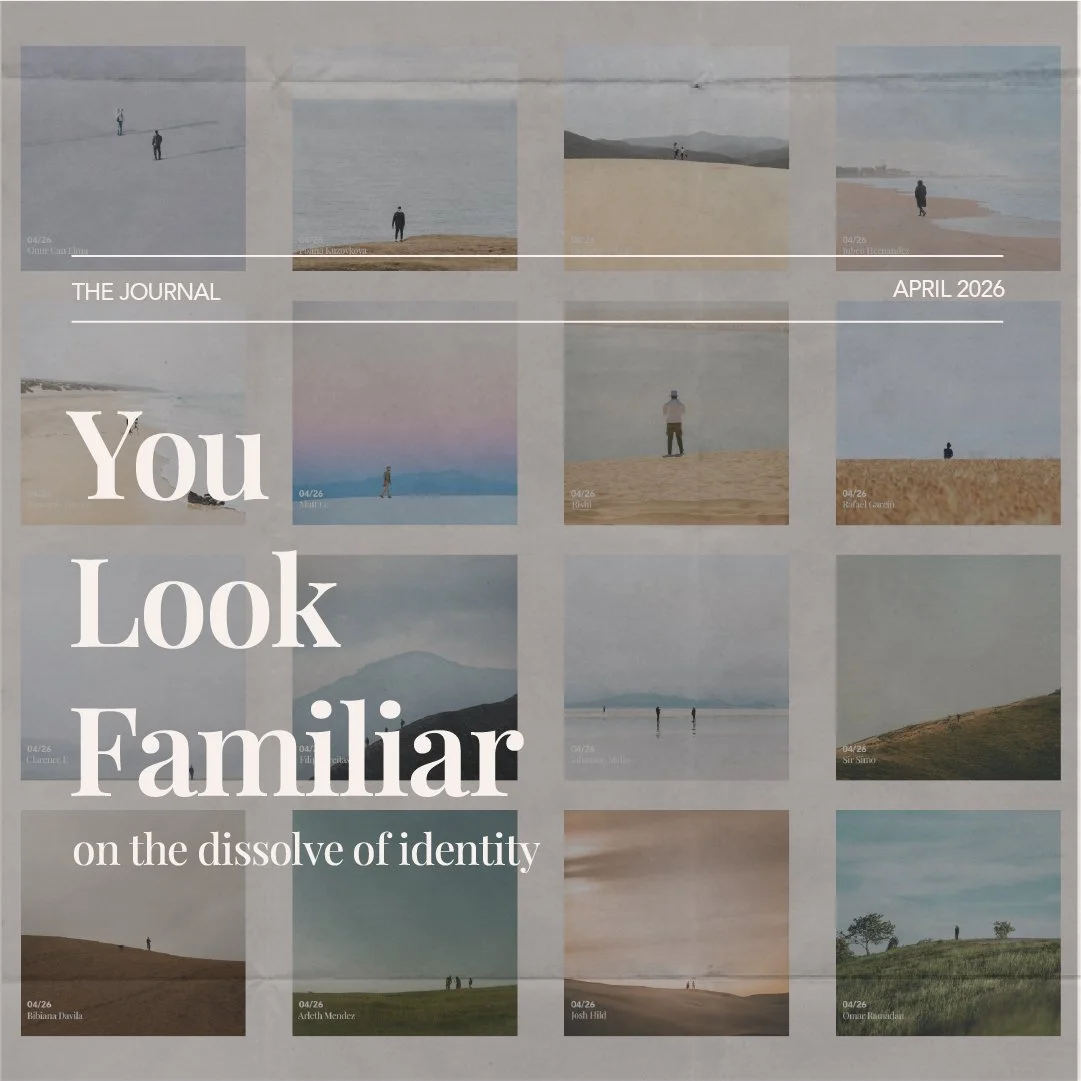
YOU LOOK FAMILIAR | ON THE DISSOLVE OF IDENTITY
The digital world has given us the gift of global culture in a way we’ve never seen before. Yes, a gift. We are now connected to people, ideas, and ways of living that, without the phenomenon of the world wide web, many of us would never have encountered within our lifetimes. But as our millions of worlds collide, something interesting is happening to our sense of self. A new culture is forming. It is global, sanitised, and heavily appropriated. Its language is a set of phrases, repeated and parroted at the appropriate moments. Its ideologies are not discovered, but absorbed, passed through the hive and carried in a swarm, echoed without scrutiny by minds that adopt them as their own.
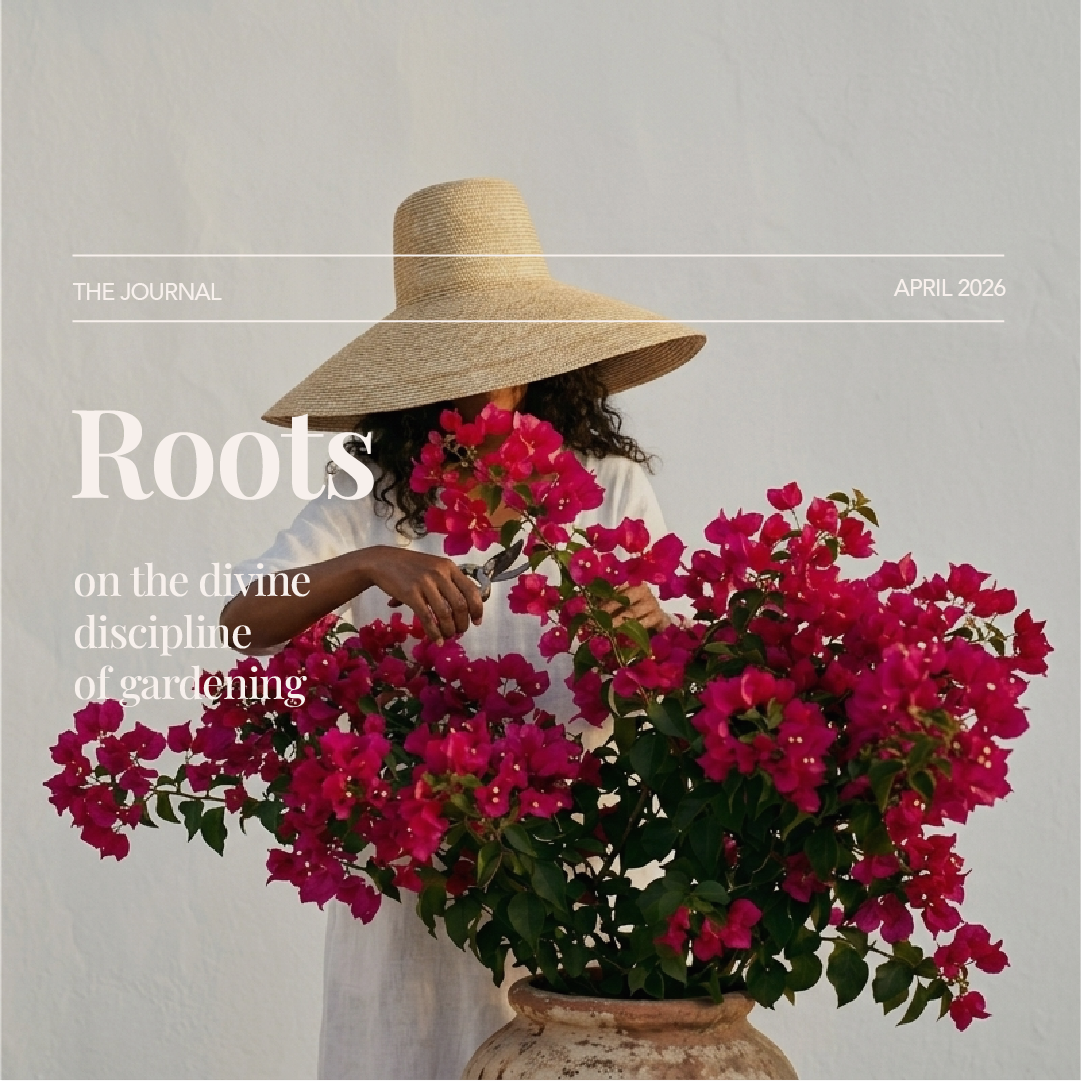
ROOTS: ON THE DIVINE DISCIPLINE OF GARDENING
A kind sun washes everything in pale yellow, and the scent of wet earth rises. The heat of the day has yet to settle, and as I tend to my small patch of paradise in these early hours, I am struck by how deeply the divine is sown into the surrounding foliage.
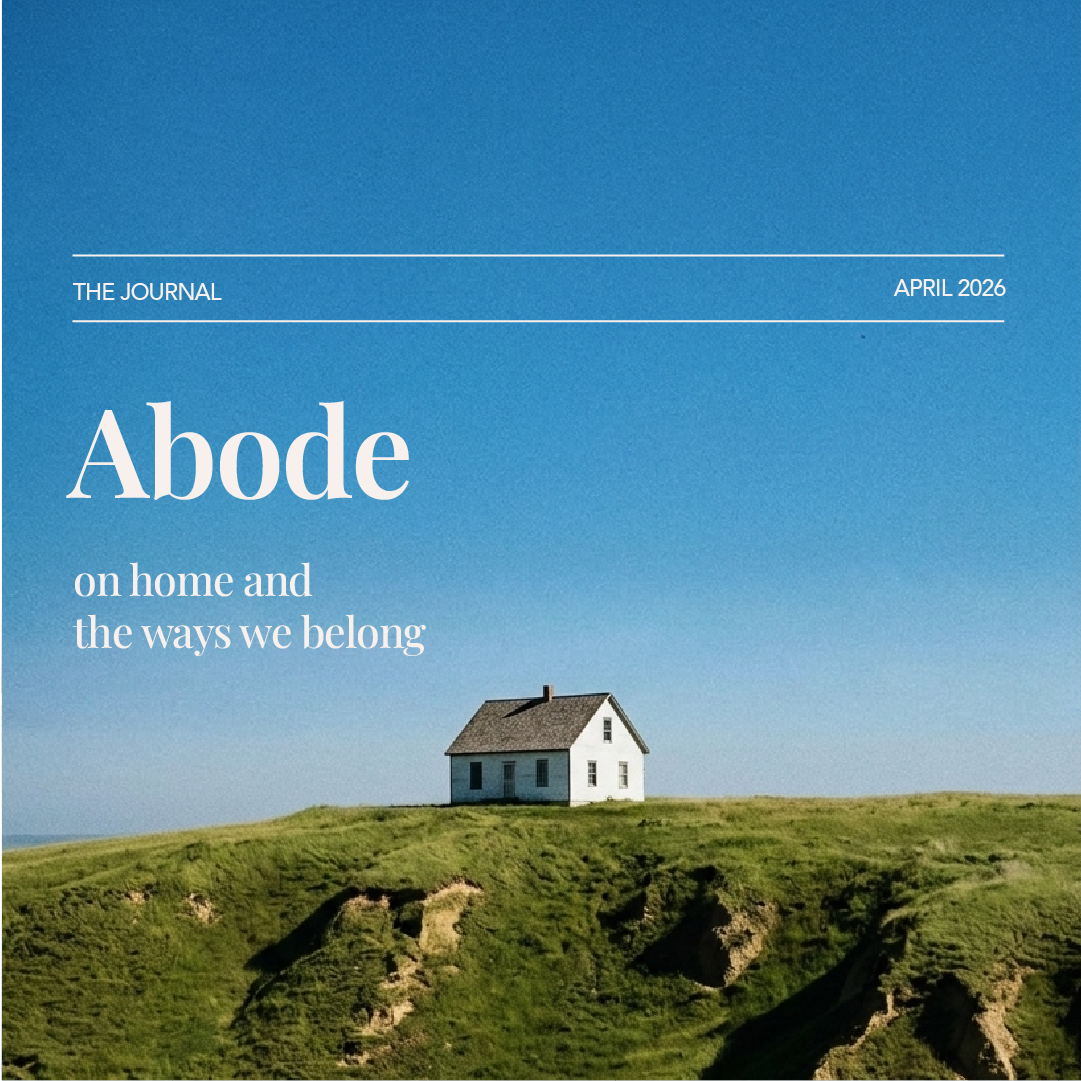
What defines a home?
Wherever we lay our heads has a remarkable impact on the self. Much like our families, while we cannot choose the homes we are born into, we spend much of our lives shaping our own. Some say home is a feeling. But when do we become conscious of this, and how do we begin to define what is, and what is not?
ABODE: ON HOME AND THE WAYS WE BELONG
Contentment is not the absence of movement but the absence of inner turmoil. It invites us to act from sufficiency, not scarcity. We celebrate our wins and accept our losses while staying firmly rooted in trust.
ON CONTENTMENT
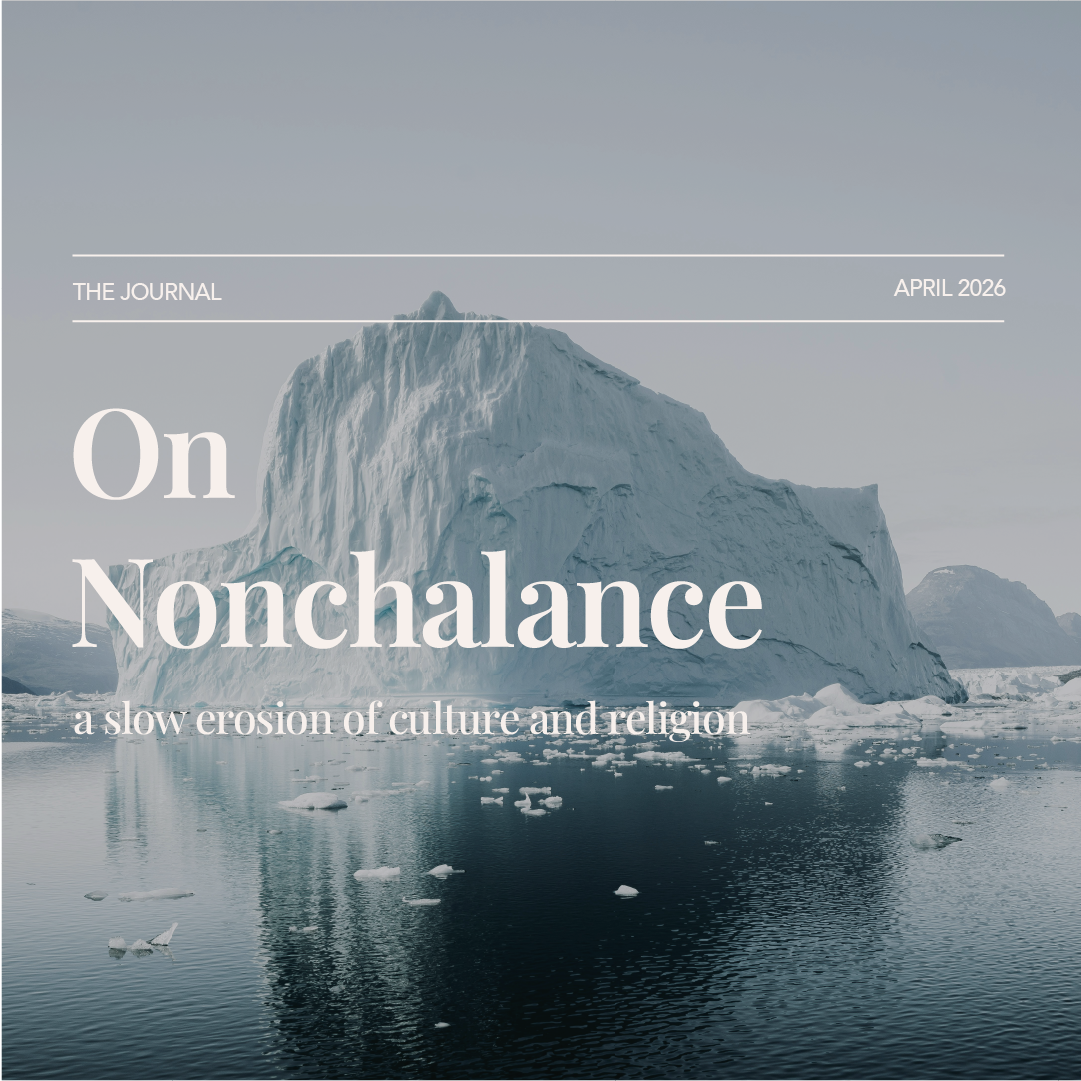
In an era of excess, reverence is giving way to indifference. The nonchalant, once a marker of dignity and composure, has warped into a kind of mental absence. What signalled ease has become detachment, and self-possession in moments of crisis and commotion now reads as disengagement from the world itself.
A SLOW EROSION OF CULTURE & RELIGION
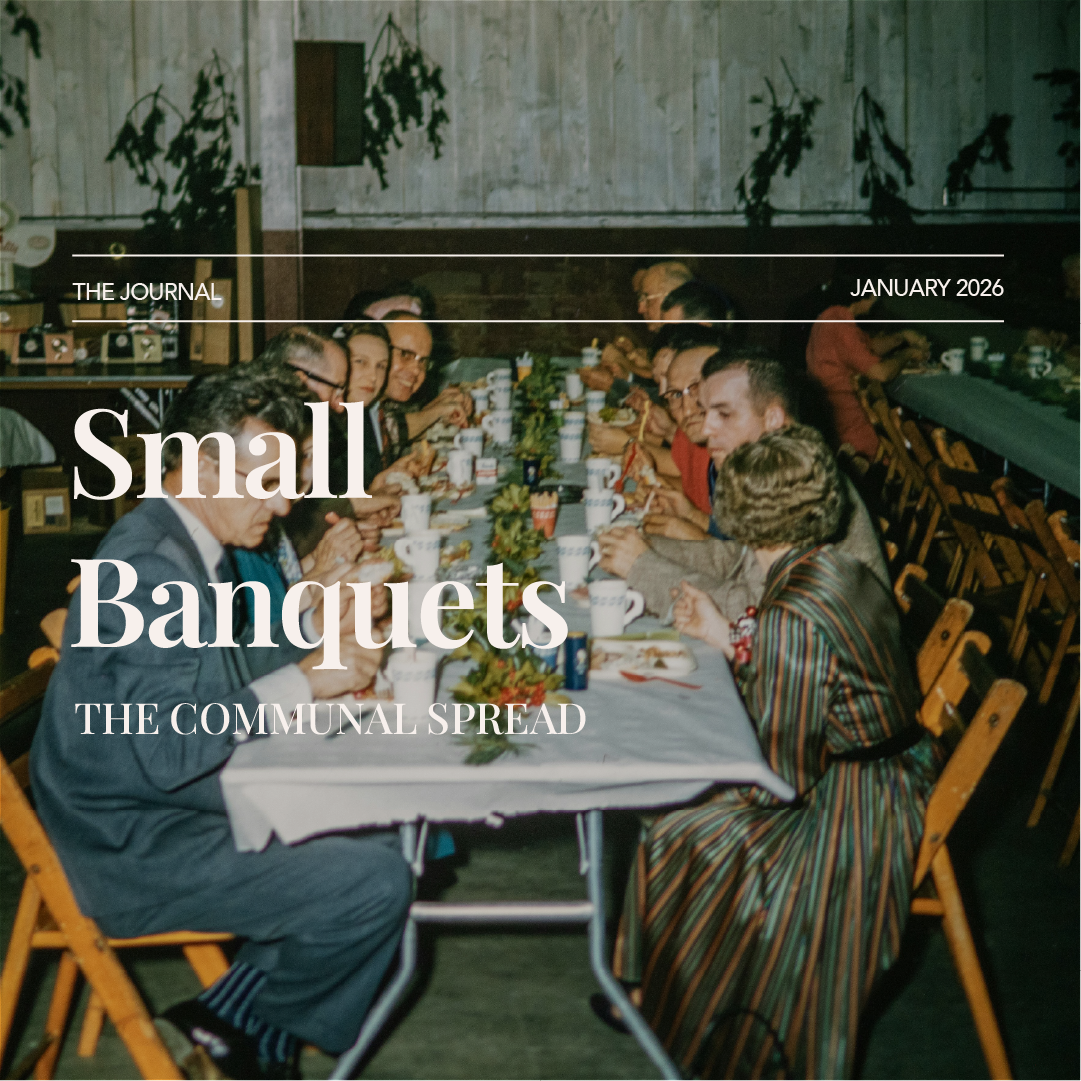
The communal spread is a signal of trust dating as far back as ancient civilisations. After the hunting and the foraging, the preparation and meal-making, humans have routinely come together to take share in sustenance. Across nations, families, tribes, traders and travellers, convene around the table, forming a social agreement that affirms safety through shared satiety. To eat together, historically, has been to belong.
THE COMMUNAL SPREAD
There’s a stretch of time between what was and what will be. A foggy, formless space without shape, structure or routine…. this pause is referred to as the liminal space; a threshold between the transformation of identities, the crossing between life’s many chapters. Neither here nor there, it’s a space many of us find ourselves in as we traverse the winding roads of life. We can feel unsettled and vulnerable in this untethered calm.
ON TRANSITIONS
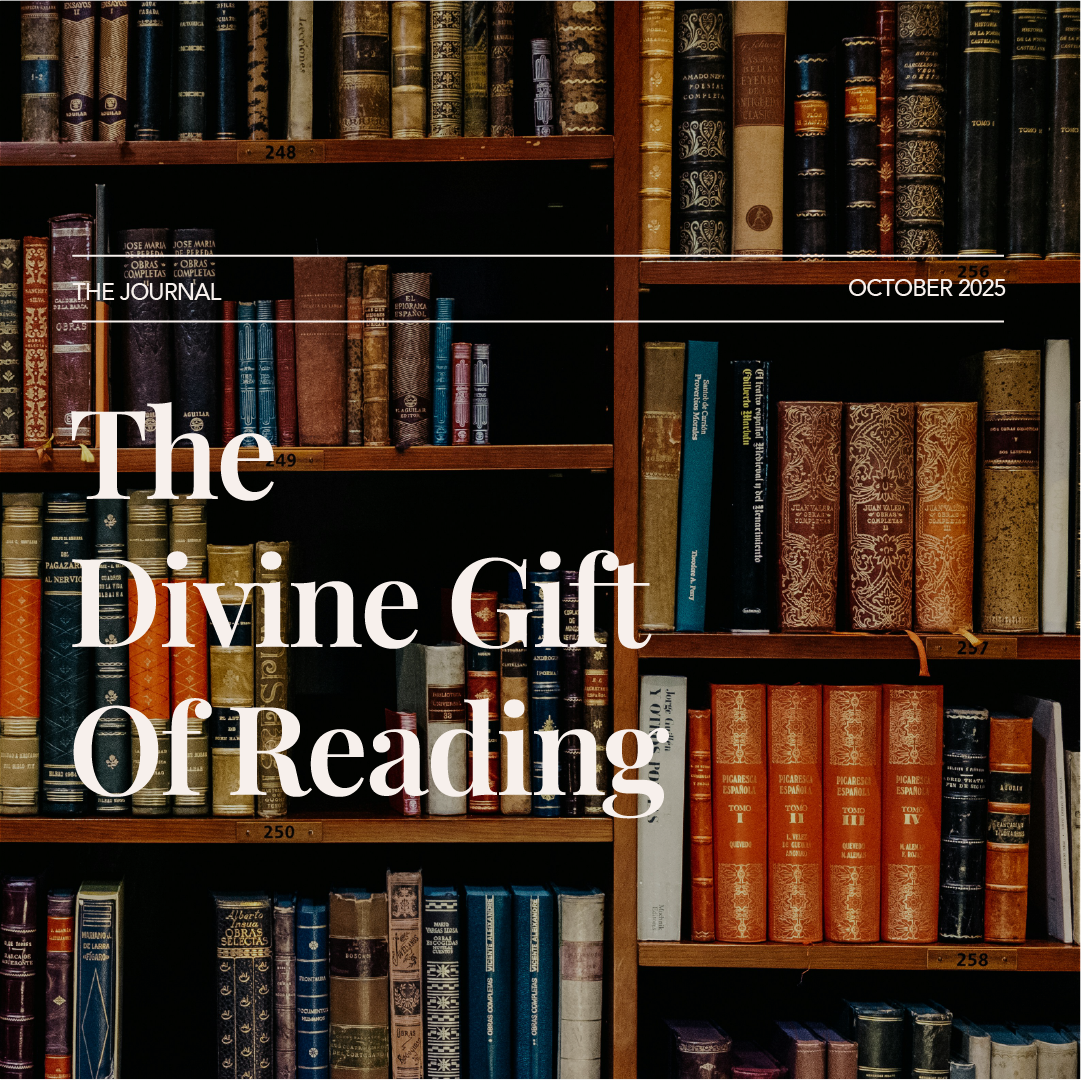
Books, the ability to produce and read them, have long marked the vitality of civilisations…For centuries, knowledge in Europe was the property of the few. In medieval Britain, books were chained to monastery walls, the ability to read them reserved for priests and princes. A people who cannot read their own story are a people who are easily persuaded of someone else’s. This gradual decay of literacy has resurfaced today, not through lack of access to knowledge, but through a willing neglect of it.
ON WISDOM